

Hardscape Design and Installation
Get hardscape design-build services from a local team that creates patios, walkways and walls made to last.

Get hardscaping
tailored to your site

Rely on materials
made to last

Enjoy outdoor spaces
year after year
Your Yard Needs Structure, Not Just Plants

Are you wondering what hardscaping materials will work best for your yard?
Do you worry that a new patio won’t hold up well through Ohio winters?
Do you think retaining walls might be necessary on your site?
Are you dreaming of a pool, but aren’t sure where to start?
Hardscaping raises many questions for homeowners. Fortunately, our EverBold pros design and handcraft hardscapes that are beautiful and durable.
We Make Hardscaping Easy for You
A patio, retaining wall, pool or walkway is a permanent part of your property, so getting it right matters. You want materials and a layout that hold up and look good for years. You don’t want surprise costs or a crew that cuts corners on structure or aesthetics.
Proven Network of High-Quality Contractors

Our Services
Hardscape Design
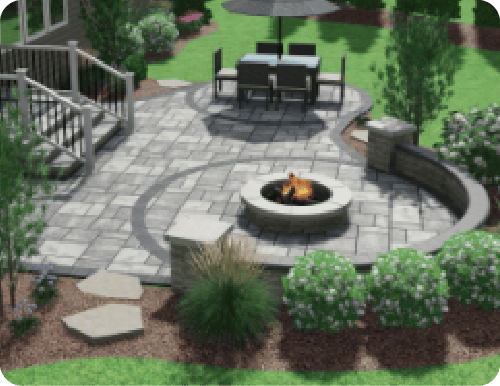
We create a custom plan for patios, walkways, walls and more based on your site’s topography and how you want to use the space.
Patio Installation
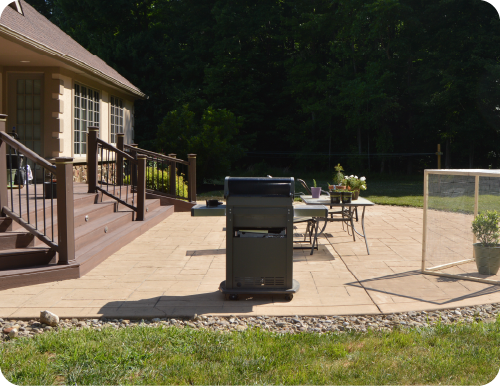
We build patios with a properly compacted base and quality materials, so they stay level and last through Ohio’s freeze-thaw cycles.
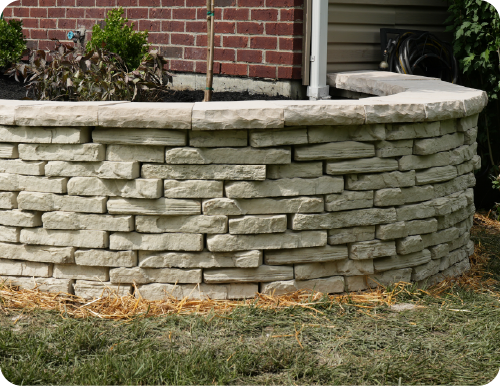
Retaining Walls
Our retaining walls manage grade changes and drainage while adding structure to your landscape.
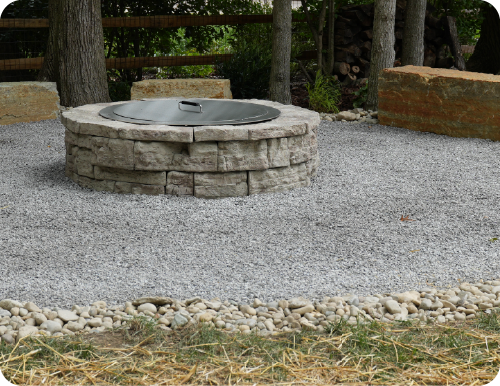
Walkways and Outdoor Structures
We install walkways, steps and features like fire pits or seating walls that tie your outdoor space together.
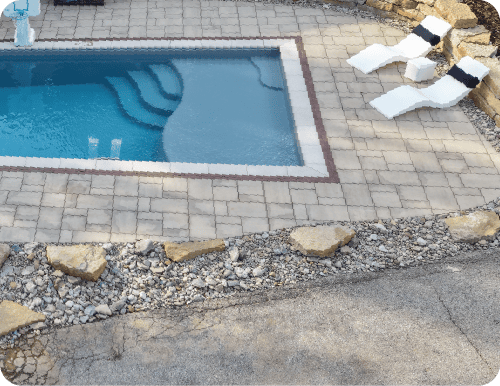
Pool Landscaping and
Paver Patios
We take a turnkey approach to your new pool, combining trusted subcontractors for installation and our landscaping pros.
Don't Let a Rushed Job Cost You Later
Without proper hardscape design and installation, you could end up with a patio that shifts or cracks within a few seasons, walls that aren’t structurally sound, a pool surround that isn’t level or materials that aren’t suited to your site.
The right design and installation process protects your investment from the ground up.
Client Trust
Hear From Our Satisfied Clients
Don't Let Another Season Go By, Start Here for Stunning Results
Why miss out on evenings under the stars, gatherings with friends or luxurious spaces to relax and enjoy nature? You and your home deserve outstanding outdoor spaces, and the EverBold team is ready to bring them to life.

Tell us about your landscaping or outdoor living ideas

Discover your options and get a personalized plan

Enjoy your own oasis right outside your door

Your Yard Deserves Hardscaping
That's Built to Last
You don’t have to gamble on materials and workmanship. Let’s build a hardscape plan that fits your home, your budget and your life.
Hardscape Design and Installation FAQs
What is hardscape design and installation?
Hardscape design and installation refers to the planning and construction of non-living, heavy elements in outdoor landscaping. It includes structures built from stone, concrete, brick, wood or metal, such as patios, retaining walls, walkways, outdoor kitchens and fire pits. Hardscaping provides functional structure, drainage control and living spaces before softscaping (plants and soil) is added.
- Primary hardscape features: Patios, retaining walls, flagstone pathways, outdoor fireplaces and pergolas.
- Key purpose: Improves property usability, prevents soil erosion and increases home value.
How much does hardscape installation cost on average?
Hardscape installation costs vary significantly depending on the scope of work, material selection and site conditions. Small projects may require only a modest investment, while comprehensive outdoor living spaces with patios, retaining walls, lighting, drainage and other custom features can represent a substantial investment. A personalized on-site consultation allows us to provide an accurate proposal tailored to your property and goals.
How long does a hardscape installation project take to complete?
Most residential hardscape installation projects are completed within five business days once construction begins, although timelines vary depending on the project size, complexity, weather conditions and site access. Smaller projects, such as paver pads or walkways may be completed in as little as one to two days, while larger projects involving patios, retaining walls, drainage, fire features or outdoor living spaces may require one to three weeks or more.
Typical project phases include:
- Design and planning: Completed prior to construction and may include revisions, material selections, permitting or HOA approvals when required.
- Site preparation: Demolition, excavation, grading, drainage improvements and base installation.
- Installation: Placement of pavers, walls, steps, edging and other hardscape features.
- Final detailing: Joint sand installation, cleanup, final walkthrough and any remaining finishing touches.
To see what installation involves for your property, contact us to schedule a consultation.
What is the most durable material for a hardscape patio?
Concrete pavers and natural stone (like granite or bluestone) are the most durable hardscape materials, lasting 30 to 50+ years with minimal maintenance. Concrete pavers resist cracking better than poured concrete because individual units flex with freeze-thaw soil movement.
- Concrete pavers: Exceptionally durable, easy to repair individually and resistant to climate shifting
- Natural stone: Highest longevity and timeless aesthetic, though higher initial material cost
- Poured concrete: Lower initial cost, but prone to surface cracking over time
Do hardscape projects require permits or utility checks?
Yes, most structural hardscape installations — such as retaining walls over 4 feet tall, outdoor kitchens with gas lines and covered structures — require local building permits. Additionally, professional installers must contact local utility locator services (like 811) before digging to prevent damage to underground lines.
For pool projects, what is the difference between hardscaping and softscaping?
- Hardscaping refers to the non-living, built elements of your outdoor space. Around a pool, this includes the pool deck, coping, retaining walls, shade structures, walkways and outdoor kitchens.
- Softscaping comprises the living elements, such as lawns, flower beds, shrubs and trees.
A successful pool landscape seamlessly integrates hardscape structures with surrounding plant life.
What are the best hardscape materials for pool decks?
Safety, durability and comfort underfoot are essential factors for pool decking:
- Travertine and natural stone: Stays relatively cool under direct sunlight and offers a naturally slip-resistant texture.
- Concrete pavers: Highly durable, available in many colors and styles, and easy to repair individually if damaged.
- Stamped concrete: Budget-friendly and versatile, though it requires proper texturing sealant to prevent slips when wet.
- Porcelain pavers: Non-porous, stain-resistant and low-maintenance with modern visual appeal.
Slip resistance is built in through material selection and surface finishing. Concrete pavers and natural stones like travertine offer natural grip. For poured or stamped concrete, broadcast anti-slip aggregate (like polypropylene beads) is mixed into the final sealant coating to create subtle traction.
How does hardscaping prevent drainage and soil erosion issues?
Hardscaping prevents soil erosion by channeling runoff water through engineered slope adjustments, permeable pavers, retaining walls and integrated drainage systems. Properly installed hardscapes direct surface water away from home foundations, protecting the property from water pooling and topsoil loss.
- Retaining walls: Hold back sloped earth and prevent washouts during heavy rain.
- Permeable pavers: Allow rainwater to filter naturally into the ground beneath, reducing surface runoff.
- French drains and swales: Installed alongside hardscaping to safely redirect excess groundwater.
What maintenance is required for hardscape features?
Hardscape features require low maintenance, typically consisting of seasonal sweeping, joint sand replenishment every three to five years, and pressure washing. For some materials, applying a protective hardscape sealer every two to three years prevents oil stains, weed growth in joints and color fading from UV exposure.
To learn more about how EverBold helps maintain your landscaping, visit our Property Maintenance page.
Hardscape Design and Installation
Get hardscape design-build services from a local team that creates patios, walkways and walls made to last.
Get hardscaping tailored to your site
Rely on materials made to last
Enjoy outdoor spaces year after year
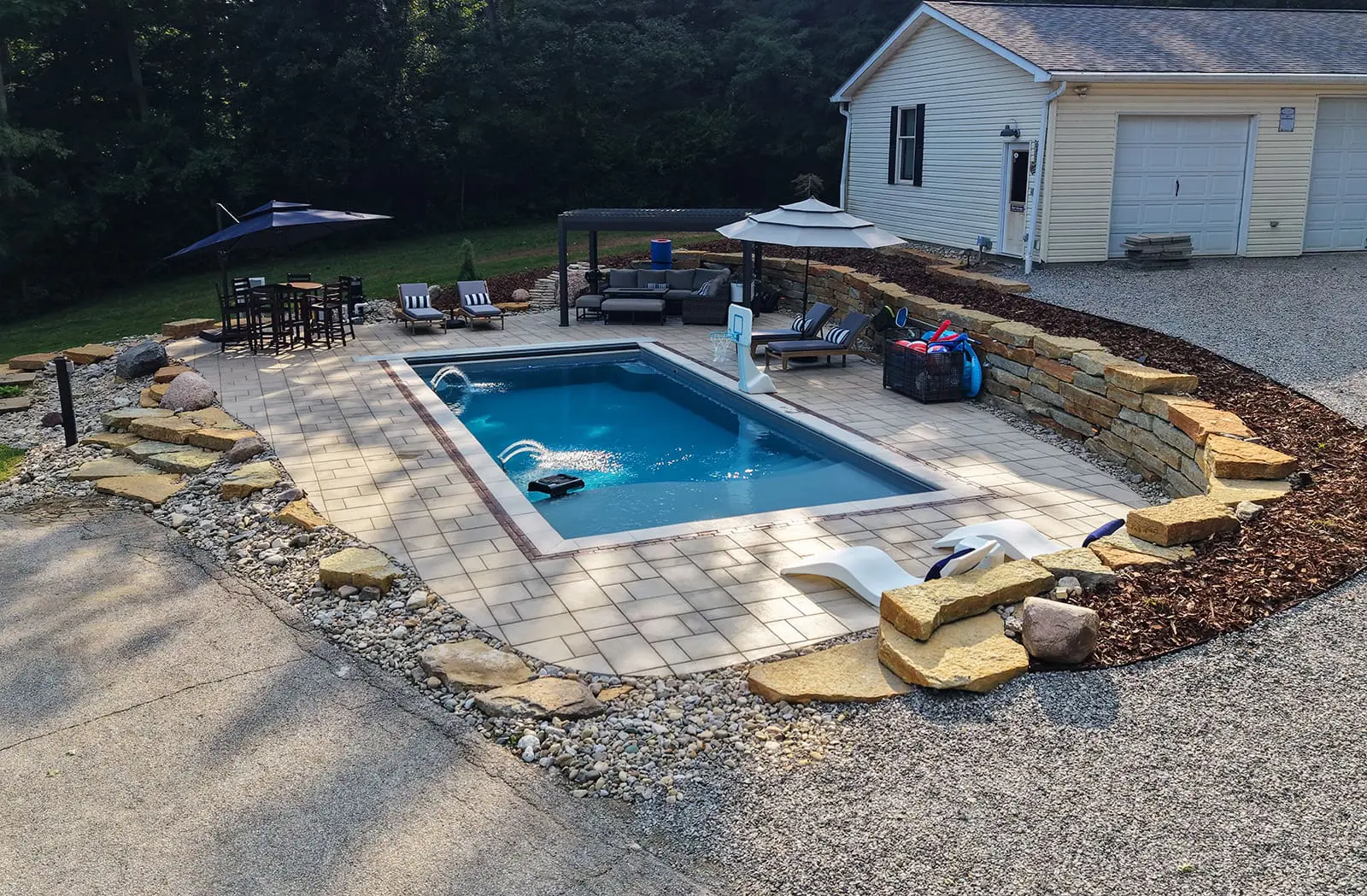
Your Yard Needs Structure, Not Just Plants
Are you wondering what hardscaping materials will work best for your yard?
Do you worry that a new patio won’t hold up well through Ohio winters?
Do you think retaining walls might be necessary on your site?
Are you dreaming of a pool, but aren’t sure where to start?
Hardscaping raises many questions for homeowners. Fortunately, our EverBold pros design and handcraft hardscapes that are beautiful and durable.
We Make Hardscaping Easy for You
A patio, retaining wall, pool or walkway is a permanent part of your property, so getting it right matters. You want materials and a layout that hold up and look good for years. You don’t want surprise costs or a crew that cuts corners on structure or aesthetics.
Proven Network of High-Quality Contractors
Our Services
Hardscape Design
We create a custom plan for patios, walkways, walls and more based on your site’s topography and how you want to use the space.
Patio Installation
We build patios with a properly compacted base and quality materials, so they stay level and last through Ohio’s freeze-thaw cycles.
Retaining Walls
Our retaining walls manage grade changes and drainage while adding structure to your landscape.
Walkways and Outdoor Structures
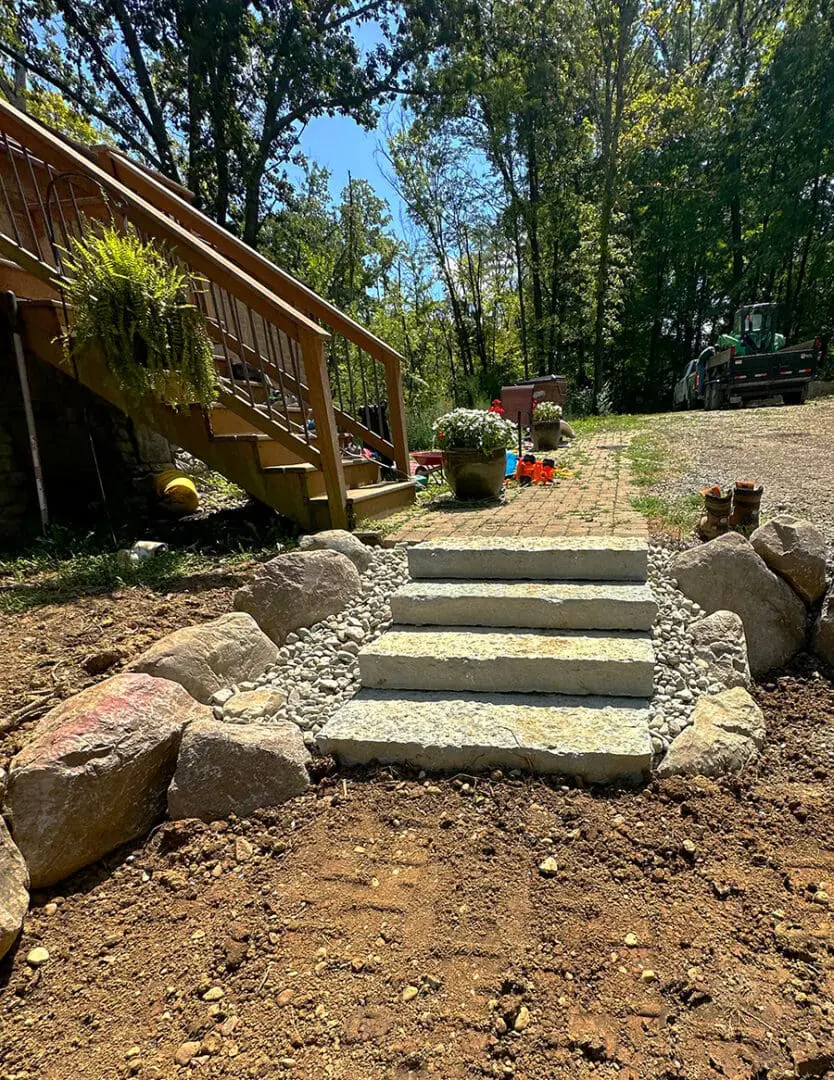
We install walkways, steps and features like fire pits or seating walls that tie your outdoor space together.
Pool Landscaping and Paver Patios
We take a turnkey approach to your new pool, combining trusted subcontractors for installation and our landscaping pros.
Don't Let a Rushed Job
Cost You Later
Without proper hardscape design and installation, you could end up with a patio that shifts or cracks within a few seasons, walls that aren’t structurally sound, a pool surround that isn’t level or materials that aren’t suited to your site.
The right design and installation process protects your investment from the ground up.
Client Trust
Hear From Our Satisfied Clients
Don't Let Another Season Go By, Start Here for Stunning Results
Why miss out on evenings under the stars, gatherings with friends or luxurious spaces to relax and enjoy nature? You and your home deserve outstanding outdoor spaces, and the EverBold team is ready to bring them to life.
Tell us about your landscaping or outdoor living ideas
Discover your options and get a personalized plan
Enjoy your own oasis right outside your door
Your Yard Deserves Hardscaping That's Built to Last
You don’t have to gamble on materials and workmanship. Let’s build a hardscape plan that fits your home, your budget and your life.
Hardscape Design
and Installation FAQs
What is hardscape design and installation?
Hardscape design and installation refers to the planning and construction of non-living, heavy elements in outdoor landscaping. It includes structures built from stone, concrete, brick, wood or metal, such as patios, retaining walls, walkways, outdoor kitchens and fire pits. Hardscaping provides functional structure, drainage control and living spaces before softscaping (plants and soil) is added.
- Primary hardscape features: Patios, retaining walls, flagstone pathways, outdoor fireplaces and pergolas.
- Key purpose: Improves property usability, prevents soil erosion and increases home value.
How much does hardscape installation cost on average?
Hardscape installation costs vary significantly depending on the scope of work, material selection and site conditions. Small projects may require only a modest investment, while comprehensive outdoor living spaces with patios, retaining walls, lighting, drainage and other custom features can represent a substantial investment. A personalized on-site consultation allows us to provide an accurate proposal tailored to your property and goals.
How long does a hardscape installation project take to complete?
Most residential hardscape installation projects are completed within five business days once construction begins, although timelines vary depending on the project size, complexity, weather conditions and site access. Smaller projects, such as paver pads or walkways may be completed in as little as one to two days, while larger projects involving patios, retaining walls, drainage, fire features or outdoor living spaces may require one to three weeks or more.
Typical project phases include:
- Design and planning: Completed prior to construction and may include revisions, material selections, permitting or HOA approvals when required.
- Site preparation: Demolition, excavation, grading, drainage improvements and base installation.
- Installation: Placement of pavers, walls, steps, edging and other hardscape features.
- Final detailing: Joint sand installation, cleanup, final walkthrough and any remaining finishing touches.
To see what installation involves for your property, contact us to schedule a consultation.
What is the most durable material for a hardscape patio?
Concrete pavers and natural stone (like granite or bluestone) are the most durable hardscape materials, lasting 30 to 50+ years with minimal maintenance. Concrete pavers resist cracking better than poured concrete because individual units flex with freeze-thaw soil movement.
- Concrete pavers: Exceptionally durable, easy to repair individually and resistant to climate shifting
- Natural stone: Highest longevity and timeless aesthetic, though higher initial material cost
- Poured concrete: Lower initial cost, but prone to surface cracking over time
Do hardscape projects require permits or utility checks?
Yes, most structural hardscape installations — such as retaining walls over 4 feet tall, outdoor kitchens with gas lines and covered structures — require local building permits. Additionally, professional installers must contact local utility locator services (like 811) before digging to prevent damage to underground lines.
For pool projects, what is the difference between hardscaping and softscaping?
- Hardscaping refers to the non-living, built elements of your outdoor space. Around a pool, this includes the pool deck, coping, retaining walls, shade structures, walkways and outdoor kitchens.
- Softscaping comprises the living elements, such as lawns, flower beds, shrubs and trees.
A successful pool landscape seamlessly integrates hardscape structures with surrounding plant life.
What are the best hardscape materials for pool decks?
Safety, durability and comfort underfoot are essential factors for pool decking:
- Travertine and natural stone: Stays relatively cool under direct sunlight and offers a naturally slip-resistant texture.
- Concrete pavers: Highly durable, available in many colors and styles, and easy to repair individually if damaged.
- Stamped concrete: Budget-friendly and versatile, though it requires proper texturing sealant to prevent slips when wet.
- Porcelain pavers: Non-porous, stain-resistant and low-maintenance with modern visual appeal.
Slip resistance is built in through material selection and surface finishing. Concrete pavers and natural stones like travertine offer natural grip. For poured or stamped concrete, broadcast anti-slip aggregate (like polypropylene beads) is mixed into the final sealant coating to create subtle traction.
How does hardscaping prevent drainage and soil erosion issues?
Hardscaping prevents soil erosion by channeling runoff water through engineered slope adjustments, permeable pavers, retaining walls and integrated drainage systems. Properly installed hardscapes direct surface water away from home foundations, protecting the property from water pooling and topsoil loss.
- Retaining walls: Hold back sloped earth and prevent washouts during heavy rain.
- Permeable pavers: Allow rainwater to filter naturally into the ground beneath, reducing surface runoff.
- French drains and swales: Installed alongside hardscaping to safely redirect excess groundwater.
What maintenance is required for hardscape features?
Hardscape features require low maintenance, typically consisting of seasonal sweeping, joint sand replenishment every three to five years, and pressure washing. For some materials, applying a protective hardscape sealer every two to three years prevents oil stains, weed growth in joints and color fading from UV exposure.
To learn more about how EverBold helps maintain your landscaping, visit our Property Maintenance page.
Hardscape Design and Installation
Get hardscape design-build services from a local team that creates patios, walkways and walls made to last.
Get hardscaping
tailored to your site
Rely on materials
made to last
Enjoy outdoor spaces
year after year
Your Yard Needs Structure, Not Just Plants
Are you wondering what hardscaping materials will work best for your yard?
Do you worry that a new patio won’t hold up well through Ohio winters?
Do you think retaining walls might be necessary on your site?
Are you dreaming of a pool, but aren’t sure where to start?
Hardscaping raises many questions for homeowners. Fortunately, our EverBold pros design and handcraft hardscapes that are beautiful and durable.
We Make Hardscaping Easy for You
A patio, retaining wall, pool or walkway is a permanent part of your property, so getting it right matters. You want materials and a layout that hold up and look good for years. You don’t want surprise costs or a crew that cuts corners on structure or aesthetics.
Proven Network of High-Quality Contractors
Our Services
Hardscape Design
We create a custom plan for patios, walkways, walls and more based on your site’s topography and how you want to use the space.
Patio Installation
We build patios with a properly compacted base and quality materials, so they stay level and last through Ohio’s freeze-thaw cycles.
Retaining Walls
Our retaining walls manage grade changes and drainage while adding structure to your landscape.
Walkways and Outdoor Structures
We install walkways, steps and features like fire pits or seating walls that tie your outdoor space together.
Pool Landscaping and
Paver Patios
We take a turnkey approach to your new pool, combining trusted subcontractors for installation and our landscaping pros.
Don't Let a Rushed Job
Cost You Later
Without proper hardscape design and installation, you could end up with a patio that shifts or cracks within a few seasons, walls that aren’t structurally sound, a pool surround that isn’t level or materials that aren’t suited to your site.
The right design and installation process protects your investment from the ground up.
Client Trust
Hear From Our Satisfied Clients
Don't Let Another Season Go By, Start Here for Stunning Results
Why miss out on evenings under the stars, gatherings with friends or luxurious spaces to relax and enjoy nature? You and your home deserve outstanding outdoor spaces, and the EverBold team is ready to bring them to life.
Tell us about your landscaping or outdoor living ideas
Discover your options and get a personalized plan
Enjoy your own oasis right outside your door
Your Yard Deserves Hardscaping That's Built to Last
You don’t have to gamble on materials and workmanship. Let’s build a hardscape plan that fits your home, your budget and your life.
Hardscape Design
and Installation FAQs
What is hardscape design and installation?
Hardscape design and installation refers to the planning and construction of non-living, heavy elements in outdoor landscaping. It includes structures built from stone, concrete, brick, wood or metal, such as patios, retaining walls, walkways, outdoor kitchens and fire pits. Hardscaping provides functional structure, drainage control and living spaces before softscaping (plants and soil) is added.
- Primary hardscape features: Patios, retaining walls, flagstone pathways, outdoor fireplaces and pergolas.
- Key purpose: Improves property usability, prevents soil erosion and increases home value.
How much does hardscape installation cost on average?
Hardscape installation costs vary significantly depending on the scope of work, material selection and site conditions. Small projects may require only a modest investment, while comprehensive outdoor living spaces with patios, retaining walls, lighting, drainage and other custom features can represent a substantial investment. A personalized on-site consultation allows us to provide an accurate proposal tailored to your property and goals.
How long does a hardscape installation project take to complete?
Most residential hardscape installation projects are completed within five business days once construction begins, although timelines vary depending on the project size, complexity, weather conditions and site access. Smaller projects, such as paver pads or walkways may be completed in as little as one to two days, while larger projects involving patios, retaining walls, drainage, fire features or outdoor living spaces may require one to three weeks or more.
Typical project phases include:
- Design and planning: Completed prior to construction and may include revisions, material selections, permitting or HOA approvals when required.
- Site preparation: Demolition, excavation, grading, drainage improvements and base installation.
- Installation: Placement of pavers, walls, steps, edging and other hardscape features.
- Final detailing: Joint sand installation, cleanup, final walkthrough and any remaining finishing touches.
To see what installation involves for your property, contact us to schedule a consultation.
What is the most durable material for a hardscape patio?
Concrete pavers and natural stone (like granite or bluestone) are the most durable hardscape materials, lasting 30 to 50+ years with minimal maintenance. Concrete pavers resist cracking better than poured concrete because individual units flex with freeze-thaw soil movement.
- Concrete pavers: Exceptionally durable, easy to repair individually and resistant to climate shifting
- Natural stone: Highest longevity and timeless aesthetic, though higher initial material cost
- Poured concrete: Lower initial cost, but prone to surface cracking over time
Do hardscape projects require permits or utility checks?
Yes, most structural hardscape installations — such as retaining walls over 4 feet tall, outdoor kitchens with gas lines and covered structures — require local building permits. Additionally, professional installers must contact local utility locator services (like 811) before digging to prevent damage to underground lines.
For pool projects, what is the difference between hardscaping and softscaping?
- Hardscaping refers to the non-living, built elements of your outdoor space. Around a pool, this includes the pool deck, coping, retaining walls, shade structures, walkways and outdoor kitchens.
- Softscaping comprises the living elements, such as lawns, flower beds, shrubs and trees.
A successful pool landscape seamlessly integrates hardscape structures with surrounding plant life.
What are the best hardscape materials for pool decks?
Safety, durability and comfort underfoot are essential factors for pool decking:
- Travertine and natural stone: Stays relatively cool under direct sunlight and offers a naturally slip-resistant texture.
- Concrete pavers: Highly durable, available in many colors and styles, and easy to repair individually if damaged.
- Stamped concrete: Budget-friendly and versatile, though it requires proper texturing sealant to prevent slips when wet.
- Porcelain pavers: Non-porous, stain-resistant and low-maintenance with modern visual appeal.
Slip resistance is built in through material selection and surface finishing. Concrete pavers and natural stones like travertine offer natural grip. For poured or stamped concrete, broadcast anti-slip aggregate (like polypropylene beads) is mixed into the final sealant coating to create subtle traction.
How does hardscaping prevent drainage and soil erosion issues?
Hardscaping prevents soil erosion by channeling runoff water through engineered slope adjustments, permeable pavers, retaining walls and integrated drainage systems. Properly installed hardscapes direct surface water away from home foundations, protecting the property from water pooling and topsoil loss.
- Retaining walls: Hold back sloped earth and prevent washouts during heavy rain.
- Permeable pavers: Allow rainwater to filter naturally into the ground beneath, reducing surface runoff.
- French drains and swales: Installed alongside hardscaping to safely redirect excess groundwater.
What maintenance is required for hardscape features?
Hardscape features require low maintenance, typically consisting of seasonal sweeping, joint sand replenishment every three to five years, and pressure washing. For some materials, applying a protective hardscape sealer every two to three years prevents oil stains, weed growth in joints and color fading from UV exposure.
To learn more about how EverBold helps maintain your landscaping, visit our Property Maintenance page.